
What's Hot


Tune in to our podcast! Every month, senior editors from EastFlank newsrooms meet to discuss topics that matter for the region and the EU. In our first episode, we talk about energy policies, why electricity prices are so high, and…
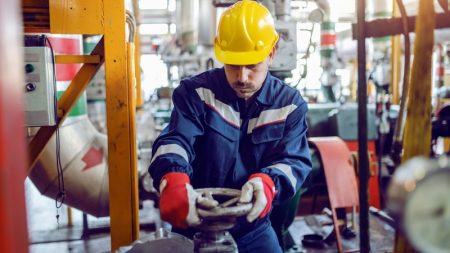
As the European Union moves away from Russian gas, it is becoming ever more reliant on liquefied natural gas from the United States. This increasing concentration of supply sits uneasily with the goals of the REPowerEU strategy, which is meant…
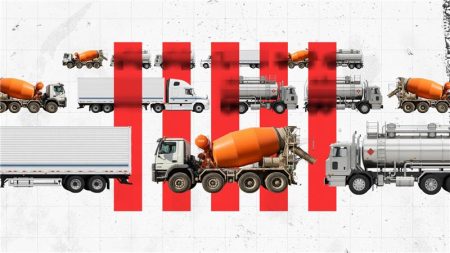
Aiming to reduce the impact of climate change while encouraging global partners to cut carbon emissions, the European Union (EU) approved the Carbon Border Adjustment Mechanism (CBAM) two years ago. A two-year transition period was set for its implementation, and…
Europe is increasingly using China as a convenient excuse for its own doubts about the energy transition. Yet behind the simplistic slogan of “Chinese emissions” lies a far more complex interplay of interests, technologies, and long-term strategy. In public debates…
The shocks of the past decade — culminating in Russia’s invasion of Ukraine — exposed how deeply energy systems are embedded in questions of security, political control and economic competitiveness. This report analyses how countries along the EU’s Eastern Flank…
The infographic is comparing national energy systems from two perspectives: installed electricity capacity and electricity production. Installed capacity reflects long-term policy priorities and investment decisions, while electricity production shows how these choices translate into real system outcomes. All data used…
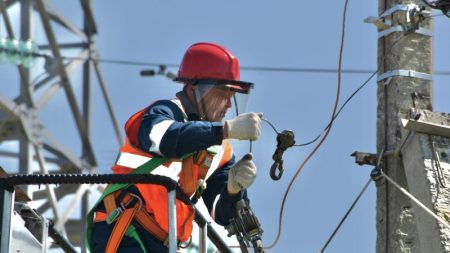
The core of the new energy package involves a significant change: the European Commission will take over the responsibility for continental grid development planning. Starting in 2027, Brussels will have the authority to decide on crucial investments under the Ten-Year Network Development Plan (TYNDP), thereby replacing the current, often fragmented, system of national planning strategies.